
Create a Hummingbird Garden
Whether you're an avid gardener or simply enjoy observing wildlife, creating a hummingbird garden is a rewarding and environmentally friendly addition to any landscape. The process is surprisingly simple and doesn't require a lot of space, making it a convenient project for many people, whether you have a large yard or a small balcony. With colorful flowers, nectar feeders, and a few other key elements, you can create a hummers haven that will be irresistible to them. Here's a quick guide to get you started.

Planning Your Hummingbird Garden
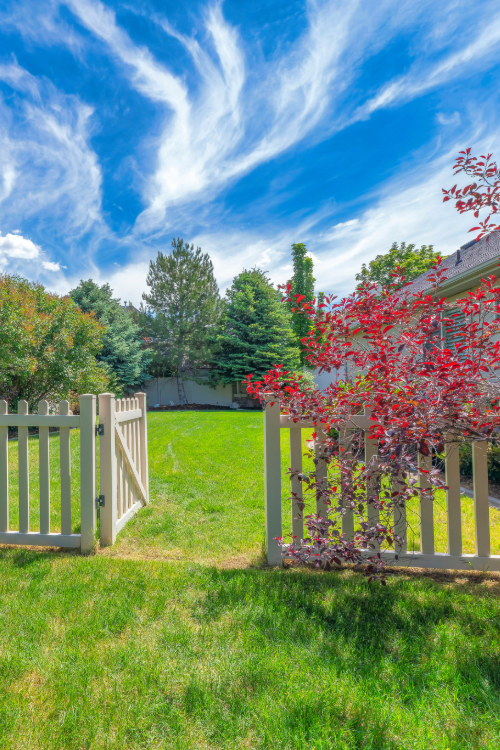
Choose the right location. Search for a spot in your garden or yard that receives enough sunlight and is protected from strong winds. Creating open areas and sheltered spaces will help complete the ideal environment for hummingbirds to forage and nest. Open areas allow hummingbirds to spot their food sources easily, while sheltered spaces provide protection from predators and harsh weather conditions.
• Maximize vertical space by incorporating tiered elements such as window boxes, garden sheds, and ceramic pots for a terraced effect.
• Ensure there are nearby perches, such as branches or trellises, for hummingbirds to rest and survey their surroundings.
Selecting Hummingbird-Friendly Plants
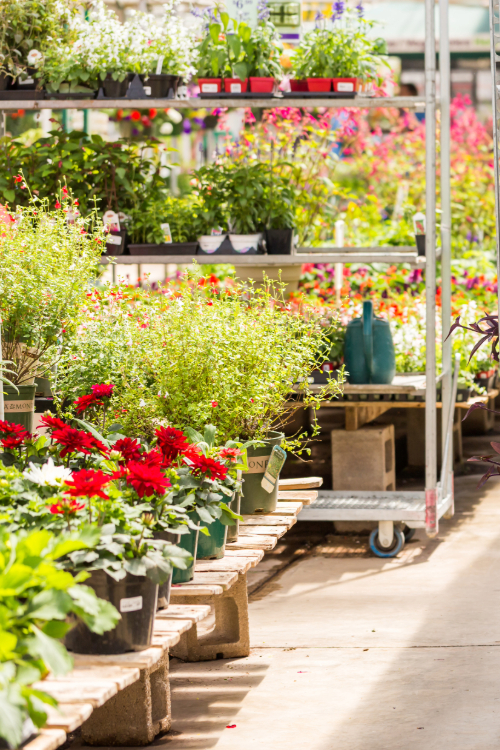
• Pick plants native to your area, as they are more likely to be adapted to your local climate and soil. Check out Audubon's website to discover hummingbird-friendly native plants.
• Select a variety of flowers, shrubs, and vines that bloom at different times to provide a continuous food source. Some popular hummingbird-friendly flowers include bee balm, salvia, trumpet vine, and columbine.
• Include some soft, fuzzy plants. Hummingbirds usually like to line their nest with soft plant fibers. Examples include lamb's ear, cinnamon fern, and milkweed.
• Depending on your space, consider planting trees that can provide nest sites and serve as food sources.
Adding Features
• Place a hummingbird feeder filled with a sugar water solution to supplement natural nectar sources. Use 4 parts water to 1 part white granulated sugar - Never use honey, artificial sweeteners, or red dye. Learn how to make your own hummingbird food at home.
• Hang feeders in a shaded area away from predators, like cats or squirrels, to prevent the sugar solution from fermenting. If using multiple feeders, hang them far apart to prevent one bird from dominating others.
• Incorporate water sources, such as shallow birdbaths or misters, for drinking and bathing. Ensure the water source is clean and changed regularly, ideally every week, to prevent the spread of disease.
• Add perches or natural resting spots for hummingbirds to observe their surroundings and conserve energy.
Observe & Enjoy
• Keep a journal to track the different species you see. Find out what hummingbirds are in your region on Audubon's website.
• Consider contributing to citizen science projects that collect data on hummingbirds. These projects play a vital role in monitoring and conserving hummingbird populations, and your participation can make a real difference. You can use Journey North to participate in tracking hummingbirds or see if there are any hummingbird projects you can join on Citizen Science.
• Engage with neighbors and your local community to promote hummingbird-friendly practices. Sharing plants, tips, and resources can help create a network of gardeners that support these remarkable birds. By joining forces, you can make a significant impact on the hummingbird population in your area.